The Anatomy of a Chemical Betrayal
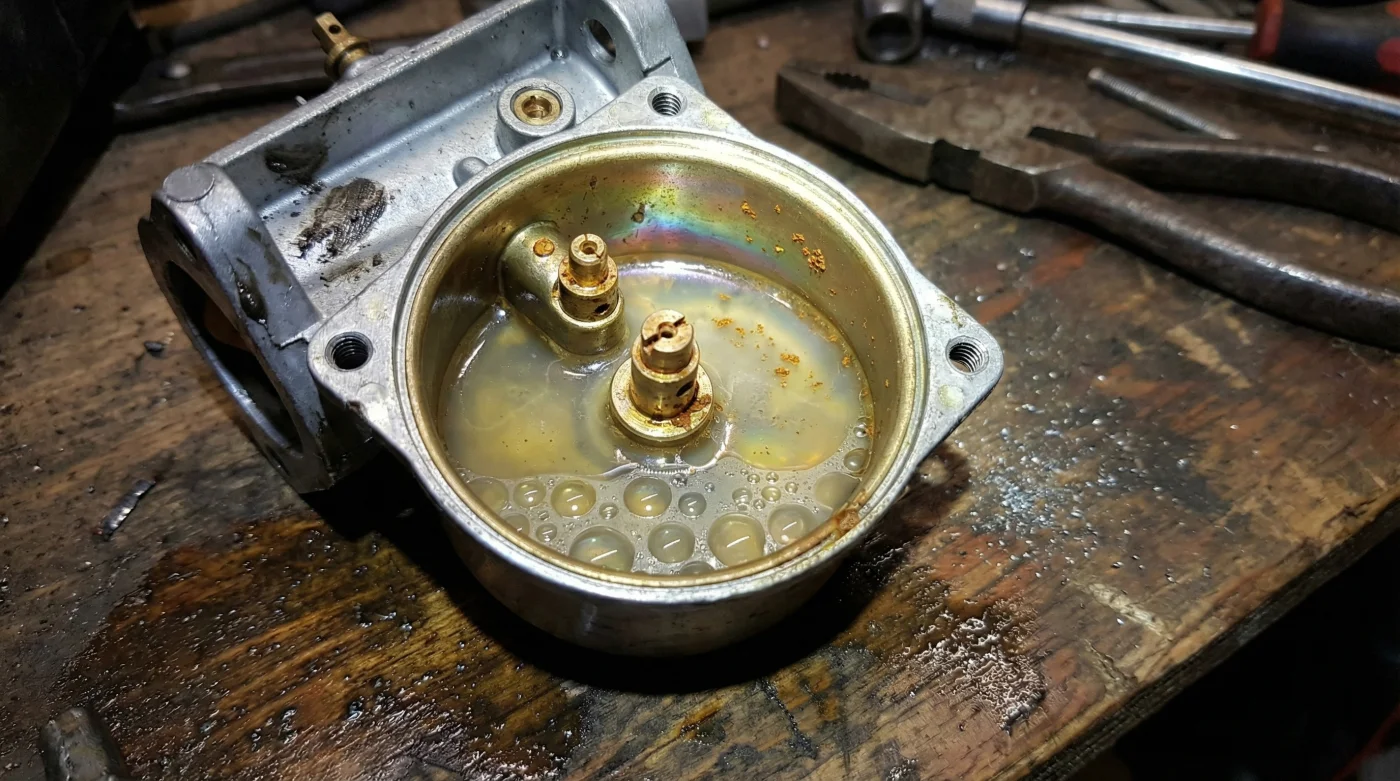
If you imagine your small engine’s carburetor as the lungs of the machine, contaminated gasoline is like forcing it to breathe through a wet sponge. The industry calls it phase separation. When modern fuel sits, especially blends heavily cut with ethanol, it actively draws moisture straight from the damp winter air. It acts like a magnet for the humidity that rolls off the Great Lakes and settles over the countryside. You might think the resulting water just sits there harmlessly, burning off when the engine gets hot. In reality, it drops to the absolute bottom of the tank, pulling the ethanol down with it. This creates a highly corrosive sludge that destroys a carburetor overnight, leaving a chalky, white residue that blocks the microscopic fuel jets. The incredible advantage here is that once you understand this invisible chemistry, you stop blindly throwing parts at dead engines. You shift from a reactive parts-replacer to an enlightened, preventative guardian of your equipment, saving hundreds of dollars and reclaiming your peace of mind.Arthur Vance, a 62-year-old small engine mechanic operating out of a cramped, oil-stained shop near Peterborough, has seen this graveyard firsthand. Last week alone, Arthur lined up fourteen ruined carburetors on his scarred wooden workbench. “They all brought me new spark plugs in little cardboard boxes,” he chuckled, pointing to the corroded, chalk-white bowls of the aluminum carburetors stacked beside his vice. He explained that the local fuel, tainted with severe condensation from fluctuating autumn temperatures, creates an acidic bite that chews right through the soft metal long before the first snowflake ever hits the ground. Local hardware stores are already facing severe backorders for replacement parts, turning a minor oversight into a season-long catastrophe for homeowners.Profiling the Fuel Threat
Not all fuel storage habits carry the same risk. The specific way you manage your winter supply dictates how quickly this silent corrosion takes hold of your machinery. For the Weekend Clearer: If you only buy twenty litres at the start of the season and expect it to last until March, you are walking a dangerous tightrope. A half-empty jerry can is an open invitation for condensation. The trapped air inside the plastic cools rapidly during freezing nights, depositing microscopic water droplets directly into the remaining fuel. Keep your storage cans filled to the brim to push that humid air out entirely, denying the moisture any space to gather.For the Acreage Caretaker: Managing a small fleet of equipment means you are likely buying fuel in bulk. Storing large quantities in uninsulated outbuildings amplifies the temperature swings. You need to treat your supply the moment it leaves the pump, establishing a rigid quarantine protocol before a single drop touches your expensive machinery.For the Vintage Restorer: Older machines built before the 1990s feature carburetors made from different alloys and utilize rubber gaskets that were never designed to withstand modern ethanol blends. The introduction of water-tainted fuel causes these vintage seals to swell, crack, and dissolve, flooding the crankcase with gasoline and destroying the engine’s internal lubrication.The Five-Minute Quarantine Protocol
Protecting your equipment does not require a degree in chemistry. It simply requires a mindful pause between the pump and the fuel tank. Think of this process as building a defensive perimeter around your garage.- The Sight Glass Check: Always pump a small sample into a clear glass jar before filling the main can at the station. Let it sit for one minute. If you see a distinct, watery bubble resting at the bottom, refuse the batch and try a different pump.
- The Temperature Match: Never pour freezing gasoline directly into a warm engine tank, or vice versa. The immediate temperature clash forces rapid condensation right against the internal carburetor walls.
- The Stabilizer Ritual: Add your marine-grade fuel stabilizer at the pump, not weeks later in the shed. The sloshing during the drive home perfectly binds the protective agents with the volatile compounds.
- The Dry Run: When storing the machine for more than three weeks, locate the small drain bolt on the bottom of the carburetor bowl. Empty it completely to deny the acidic sludge a place to settle.
The Quiet Confidence of Preparedness
There is a profound satisfaction in pulling a starter cord and feeling the heavy engine catch on the very first try. It is not just about avoiding a costly repair bill; it is about reclaiming the quiet authority of your winter mornings. When the snow drifts heavily against the garage door and the local temperature plummets to a bitter -20 Celsius, you do not want to be gambling with corrosive sludge and fouled jets. You want the absolute certainty that your equipment will respond to your command. Mastering the hidden chemistry of your fuel tank transforms a major source of winter anxiety into an empowering afterthought. You are no longer crossing your fingers when the weather turns foul. Instead, you are standing ready, knowing the lifeblood of your machine is pure, potent, and perfectly preserved against the elements.“The carburetor never lies; it is the physical diary of every single thing you have ever poured into the tank.”
| Key Point | Detail | Added Value for the Reader |
|---|---|---|
| Phase Separation | Ethanol binds with atmospheric water and drops to the tank bottom. | Identifies the exact, invisible mechanism destroying your equipment. |
| Storage Volume | Full fuel cans leave absolutely no room for humid air to condense. | Provides a zero-cost habit to instantly prolong the life of your fuel. |
| Marine Stabilizers | Formulated specifically to manage high moisture environments on the water. | Delivers vastly superior protection over standard automotive fuel additives. |
Frequently Asked Questions
Can I dry out contaminated gasoline? No. Once phase separation occurs, the chemical bond is permanently broken and the fuel must be responsibly disposed of at a hazardous waste facility.
Why did my engine run perfectly fine yesterday but not today? Water is heavier than gasoline and settles at the lowest point of the system overnight. When you pull the cord the next morning, pure water is sucked directly into the combustion chamber.
- Bathroom exhaust fans ignite ceiling insulation without this annual vacuuming routine.
- Landscaping river rocks cost pennies purchasing directly from local aggregate quarries.
- Popcorn ceilings hide completely beneath stretched canvas and temporary tension rods.
- Brass hardware restores perfectly using standard household tomato ketchup acid.
- Contaminated gasoline ruins winter snowblowers across Ontario rural storage sheds.
Does premium fuel completely prevent this? Ethanol-free premium fuel drastically reduces the risk, but any stored fuel exposed to large temperature swings will still attract trace amounts of condensation.
How do I clean a water-damaged carburetor? If caught immediately, draining the bowl might save it. If the white, chalky corrosion has set in, the soft aluminum is permanently compromised and replacement is the only safe option.
Are plastic jerry cans worse than metal? Plastic breathes slightly and expands, drawing in more humid air over time. Metal NATO-style cans with heavy rubber gasket seals offer vastly superior moisture protection for winter storage.