You hear it before you see it.
It is a damp, heavy Tuesday evening. The washing machine hits the spin cycle, and beneath the familiar, rhythmic thudding, there is a faint, suspicious hiss. You step down into the basement, perhaps carrying a basket of towels, and your foot meets cold, stagnant water. The sharp smell of wet drywall and detergent fills the room. This is not a burst pipe from a minus-thirty prairie winter. It is a tiny, black rubber hose that finally gave up.
The Silent Tick of the Rubber Clock
You probably bought your washing machine believing the hoses would simply exist, unchanging, until the appliance itself died. This is the great domestic illusion. Standard black rubber hoses do not last a lifetime. They are a pressure cooker holding back a river, enduring massive pressure spikes every single time the internal valve snaps shut.
Water hammering through those lines stretches the rubber. Day after day, month after month, the material degrades. If your hoses are older than five years, they are ticking down to a catastrophic failure that ruins finished floors, destroys hockey gear stored nearby, and disrupts your life for months.
| Target Audience | Specific Benefit of Upgrading |
|---|---|
| Finished Basement Owners | Protects expensive laminate, drywall, and home theatre electronics from sudden flooding. |
| Main Floor Laundry Users | Prevents grey water from seeping through floorboards and destroying the ceiling below. |
| Cottage Goers | Eliminates the anxiety of returning in the spring to find a flooded, mould-filled ruin. |
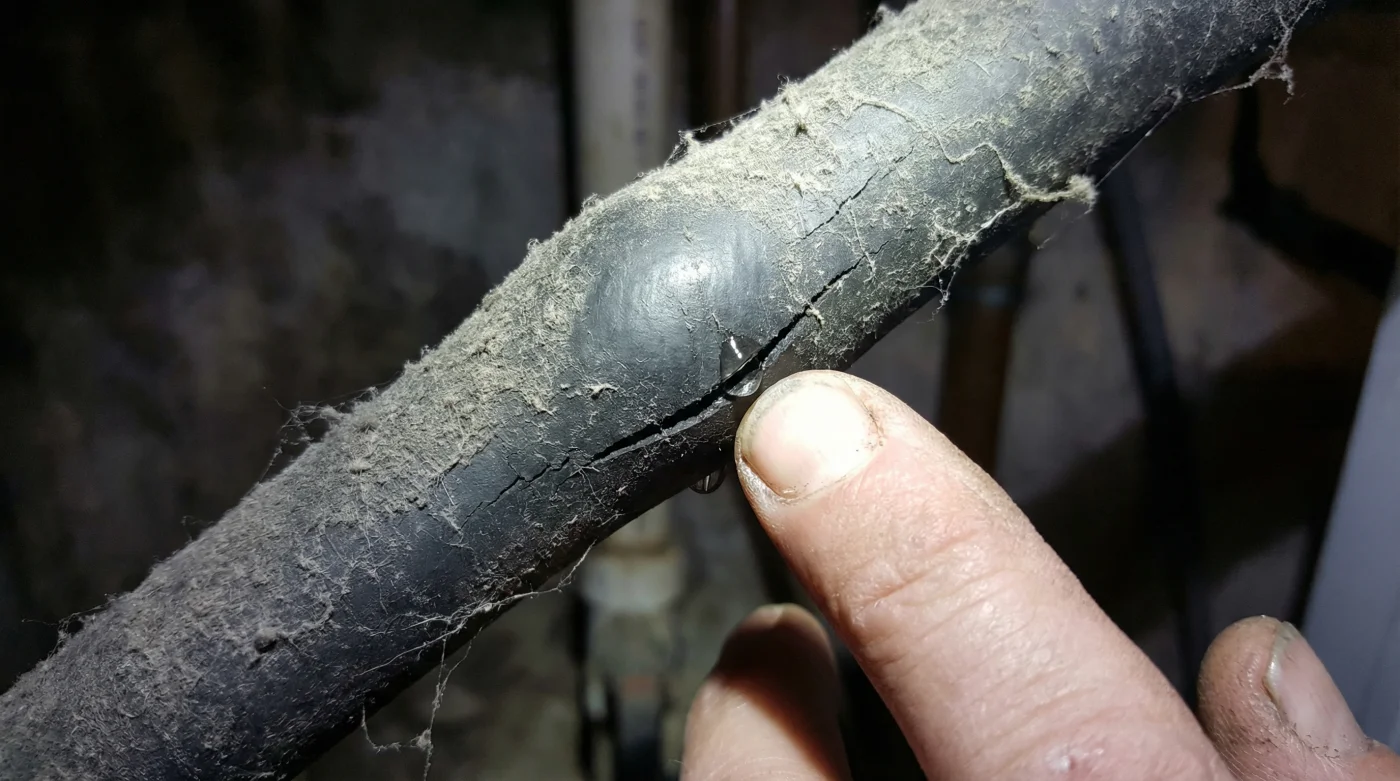
I learned this from Mac, a retired, third-generation plumber from Dartmouth. We were standing in a neighbour’s gutted basement when he picked up a severed black hose. He squeezed it, showing me how brittle it had become. “Look at the belly on this,” he said, pointing to a subtle bulge near the connector. “People think rubber just ages gracefully. It doesn’t. It rots from the inside out.”
Mac explained that the five-year replacement rule is not a manufacturer up-sell. It is a physical necessity. The only permanent solution to this anxiety is walking away from rubber entirely and switching to stainless steel braided lines.
| Metric | Standard Rubber Hose | Braided Stainless Steel |
|---|---|---|
| Burst Pressure limit | Approx. 200 PSI | Approx. 1000+ PSI |
| Maximum Temperature | 60°C | 90°C and higher |
| Safe Lifespan | 3 to 5 years (high risk) | 5 to 10 years (low risk) |
| Vulnerability | Prone to bursting at the crimp | Reinforced metal mesh prevents expansion |
The Five-Minute Swap
Replacing your hoses is a quiet, deliberate act of home preservation. You do not need to hire a professional or own a massive toolkit. You just need a bucket, a pair of slip-joint pliers, and ten minutes of focus.
First, turn off the water supply at the wall. These valves might be stiff with calcification. Wrap a rag around the handle to save your palms, and turn firmly. Do not force it to the point of breaking.
Next, slide your machine away from the wall just enough to step behind it. Place a small bucket under the connections. When you unscrew the old hoses, they will spit out a half-cup of trapped water.
Unthread the old rubber lines. Notice how stiff and rigid they feel. Now, take your new braided hoses. They should feel heavy, cold, and flexible. Thread them onto the spigots by hand.
- Bathroom exhaust fans ignite ceiling insulation without this annual vacuuming routine.
- Landscaping river rocks cost pennies purchasing directly from local aggregate quarries.
- Popcorn ceilings hide completely beneath stretched canvas and temporary tension rods.
- Brass hardware restores perfectly using standard household tomato ketchup acid.
- Contaminated gasoline ruins winter snowblowers across Ontario rural storage sheds.
| What to Look For (The Quality Checklist) | What to Avoid (Red Flags) |
|---|---|
| 304 Marine-grade stainless steel braiding | Dull, lightweight metal that feels like plastic |
| Solid brass nuts and connectors | Aluminum or plastic threading |
| UPC or CSA certification marks on the package | Unbranded imports sold in plain plastic bags |
| Hoses labelled as ‘Burst Resistant’ or ‘Auto-Shutoff’ | Exposed rubber peeking through thin, sparse wire |
Peace of Mind in the Spin Cycle
This simple piece of maintenance costs less than a decent dinner out at the local pub. Yet, the relief it buys is immense. It is the difference between sleeping soundly and waking up to the sound of rushing water.
By swapping out those old, swollen rubber lines for cold, reliable steel, you change the relationship you have with your home. You are no longer waiting for a disaster. You have taken control of the rhythm of your house. The next time you hear that washing machine hum, you will know exactly what is holding the water back. And you will know it holds strong.
“Your home is only as secure as its weakest connection. Upgrading a five-dollar hose saves a fifty-thousand-dollar basement.” — Mac, Master Plumber
Frequently Asked Questions
Do I need to use plumber’s tape on the washing machine threads?
No. Washing machine hoses rely on a thick rubber washer seated inside the nut to create a water-tight seal. Adding Teflon tape can actually interfere with this seal and cause leaks.
What if my shut-off valves are completely stuck?
If the valves will not budge with firm pressure, do not force them. You risk snapping the pipe behind the wall. Turn off your main house water supply, and call a plumber to replace the laundry valves entirely.
How can I tell if my current rubber hoses are failing?
Run your hand along the hose. If you feel any bumps, bulges, stiffness, or see tiny hairline cracks near the metal crimp, the hose is structurally compromised and must be replaced immediately.
Are the ‘auto-shutoff’ braided hoses worth the extra money?
Absolutely. These hoses feature a special valve that instantly stops the flow of water if the hose bursts or the water pressure suddenly drops. It is an excellent secondary layer of defence.
Do I need to replace both the hot and cold hoses at the same time?
Always. Even if only the hot water hose shows signs of wear, both hoses have experienced the exact same number of pressure cycles. Treat them as a single unit to ensure complete safety.