You step out of the morning shower into a room thick with steam. The mirror is entirely fogged over, heavy droplets of condensation bleed down the ceramic tile, and the familiar droning hum of the exhaust fan fills the small space. You reach up with a damp cloth, wiping away the grey fuzz clinging to the plastic slotted cover. It looks clean. You flip the switch, turn off the lights, and walk away, assuming the system is working perfectly to protect your drywall from moisture.
But just above that pristine white plastic, hiding in the dark, cramped gap between your ceiling drywall and the heavy attic insulation, a quiet hazard is growing. We tend to treat these ventilation units like magical voids where humidity simply disappears into the ether. The reality is far more mechanical, and it requires a specific kind of attention we rarely offer.
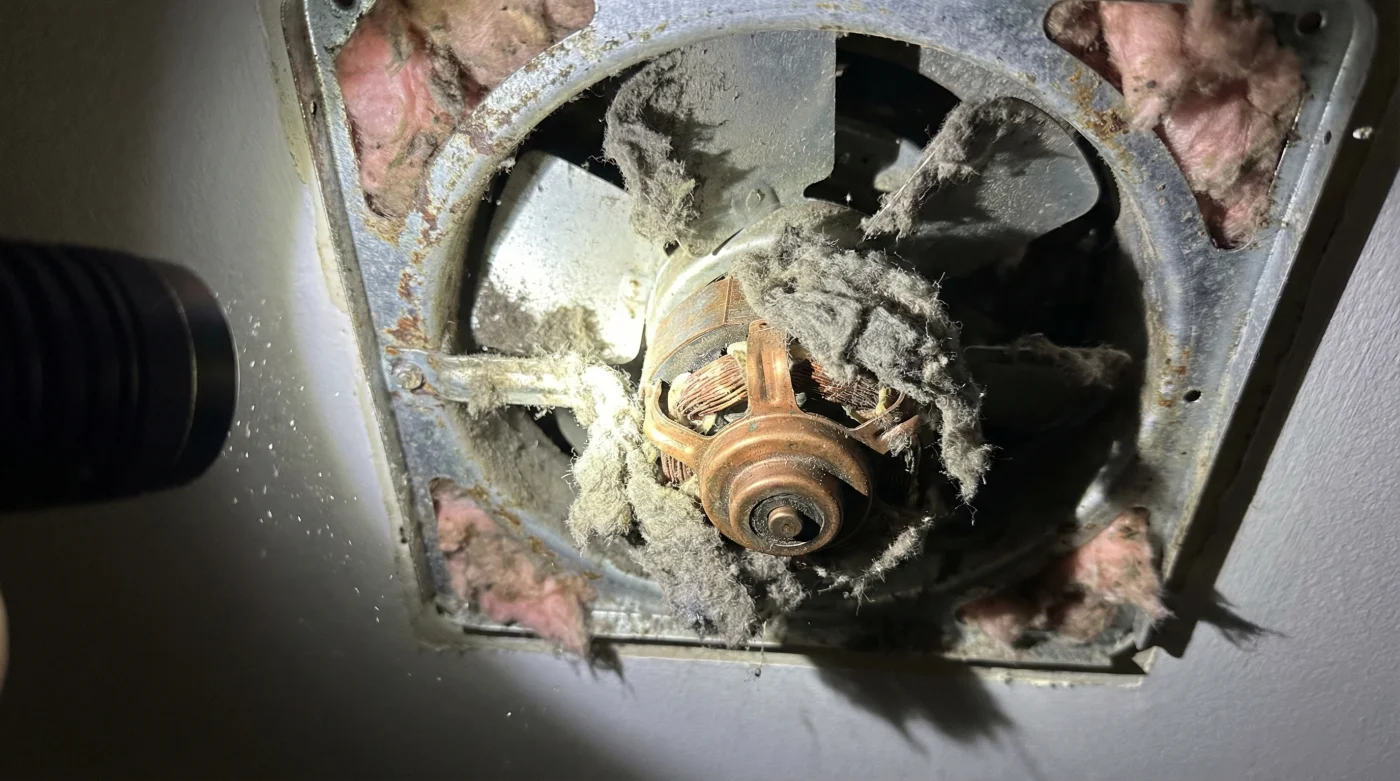
The hidden motor coils are pulling in far more than just invisible steam. They are inhaling a steady daily diet of sticky aerosol hairspray, microscopic shedding towel fibres, talcum powder, and airborne skin cells. Over months of use, this debris bakes directly onto the raw copper windings of the motor.
The motor begins to struggle, running incrementally hotter to force the blades to turn. The internal thermal limit is tested day after day. If you ignore what happens in the shadows behind the drywall, you are missing a critical piece of home maintenance that separates a comfortably dry room from a smouldering structural emergency.
Shifting from Surface Polish to Mechanical Truth
The most persistent myth of weekend chores is the belief that wiping a visible surface solves a mechanical problem. It is the exact equivalent of washing the exterior paint of your car and expecting the engine oil to somehow renew itself. The cover is just a disguise; the actual work happens in the dark.
Your bathroom exhaust fan operates very much like a set of lungs. When you only scrub the plastic grille, you leave the actual respiratory system breathing through a pillow. The friction builds up invisibly. The motor has to work much harder, pulling excessive electrical current from the hydro grid, generating severe heat that has absolutely nowhere to escape.
This is the perspective shift required for real home ownership: that thick accumulation of lint isn’t a sign of a dirty house or poor housekeeping. It is actually a symptom of an incredibly efficient air-pulling machine. It proves your ventilation is doing its job. By treating this dust as an indicator rather than a failure, you move from reactive cosmetic scrubbing to proactive system management.
Ask Elias Mercer, a 48-year-old volunteer fire inspector working out of Halifax, and he will point straight up to the ceiling. ‘People worry constantly about cheap space heaters and overloaded bedroom power bars,’ he notes, sipping dark roast coffee from a thermal mug. ‘But I see catastrophic overheating inside bathroom ceilings all winter long.’ He recalls a recent call where a homeowner’s completely seized motor ignited decades-old blown-in cellulose insulation. The fan had been left running for hours to clear shower steam while the family drove 10 Miles out for groceries in minus 10 Celsius weather. The compacted lint acted as the perfect kindling, and the seized copper motor served as the match.
Recognizing Your Specific Ceiling Environment
Not every ceiling breathes the exact same way. The age and construction of your property largely dictate how this trapped heat behaves once it escapes the metal housing.
For the Heritage Build
If you live in a century home built with lath and plaster, your fan is likely a much later aftermarket addition, retrofitted aggressively into tight, uneven joists. These older setups often lack the proper airtight metal housing required today. The exposed coils sit dangerously close to dried timber and ancient paper-backed insulation batts. Your margin for error regarding heat dissipation is razor-thin.
For the Modern Subdivision
Newer builds boast incredibly powerful, high-CFM units designed to clear moisture in minutes rather than hours. However, they are frequently buried under 15 to 20 inches of dense, modern blown-in insulation to meet strict municipal energy codes. This creates a severe oven effect. The motor is insulated so aggressively that any trapped heat stays exactly where it shouldn’t, baking the lint onto the machinery like wool spinning tightly on a loom.
For the High-Traffic Family Washroom
When four different people shower consecutively, applying various spray deodorants and dry shampoos, the environment changes. The chemical adhesives in these aerosol products bind with airborne dust, creating a sticky, resin-like paste on the fan housing. A simple blast of air won’t dislodge this; it requires physical, mindful intervention to break the bond.
The Mindful Maintenance Routine
This is a quiet, deliberate task that requires focus. Pick a quiet Saturday morning when the house is still and nobody needs the washroom. Head down to the basement and kill the breaker at the main electrical panel first—never trust a simple wall switch when you are dealing with bare copper wiring and metal boxes.
Reach up and pull the plastic cover straight down toward the floor until it naturally stops. You will see two metal V-shaped spring clips holding it in place. Squeeze these metal spring clips together to release them from the narrow housing slots. Take this opportunity to set the plastic cover in the sink filled with warm, soapy water.
- Bathroom exhaust fans ignite ceiling insulation without this annual vacuuming routine.
- Landscaping river rocks cost pennies purchasing directly from local aggregate quarries.
- Popcorn ceilings hide completely beneath stretched canvas and temporary tension rods.
- Brass hardware restores perfectly using standard household tomato ketchup acid.
- Contaminated gasoline ruins winter snowblowers across Ontario rural storage sheds.
Your Tactical Toolkit:
- A bright LED headlamp to keep both of your hands completely free.
- A household vacuum fitted with a narrow plastic crevice attachment.
- A clean, dry, stiff-bristled nylon paint brush.
- A sturdy step stool that allows you to work comfortably without overreaching.
Brush the dry lint very gently while holding the running vacuum nozzle directly next to the motor body. Do not force the nylon brush deep into the copper coils; let the strong suction pull the debris loose. Once the visible lint is gone, spin the plastic squirrel-cage wheel with your index finger. It should glide effortlessly, without the slightest resistance or grinding noise.
The Comfort of a Cared-For Home
When you finally snap that clean, dry cover back into its tracks and flip the basement breaker on, stand quietly and listen to the fan run. The heavy, droning struggle will be entirely gone, replaced by a smooth, barely noticeable whir. You haven’t merely cleaned a dirty fixture; you have reset the mechanical clock on a critical system.
There is a deep, profound peace of mind that inherently comes from knowing exactly what is happening inside the dark voids of your walls. You aren’t just crossing another mundane chore off a weekend list. You are actively and mindfully protecting the physical structure that houses your entire life.
The true value lies in the gentle silence of a cool, happy motor, spinning freely without friction. It sends the thick morning moisture safely out into the cold exterior air where it belongs, leaving your physical space safe, predictably dry, and wonderfully secure.
‘A mechanical system asks for very little, but when neglected in the dark, it inevitably takes everything.’ — Elias Mercer, Fire Inspector
| The Approach | The Action | The Advantage |
|---|---|---|
| Surface Polish | Wiping the external plastic vent grille with a damp washcloth. | Looks visually acceptable, but leaves severe internal fire hazards completely untouched. |
| The Coil Sweep | Using a dry nylon brush and strong vacuum suction on the exposed motor. | Removes the primary combustible fuel source, physically extending the motor life by years. |
| Full System Reset | Cleaning all coils and physically verifying the exterior flapper valve opens outdoors. | Guarantees zero moisture buildup in the attic framing, stopping mould before it starts. |
Common Concerns About Fan Maintenance
How often should I vacuum the hidden motor coils?
Once every 12 months is highly sufficient for a standard family environment. If you heavily use aerosol hair sprays daily, inspect the coils every six months.
Do I need a licensed electrician to safely clean this?
Not at all. As long as you explicitly turn off the main hydro breaker to the bathroom before touching the internal metal housing, the task is entirely safe to perform.
Why is my ventilation fan still incredibly loud after a deep cleaning?
If the motor is visually spotless but still roars like an engine, the internal bearings are already shot from years of severe overheating. It is time to replace the motor unit entirely.
Can I simply use a damp rag to wipe down the inside of the metal box?
Never introduce any liquid water or damp cloths to the bare electrical housing. Stick strictly to a dry nylon brush and steady vacuum suction to remove debris.
What does it mean if I notice dark black scorch marks inside the metal ceiling box?
Black scorch marks are a severe warning sign the thermal limit was already violently breached. Stop using the fan immediately, keep the breaker off, and replace the entire unit to prevent a fire.